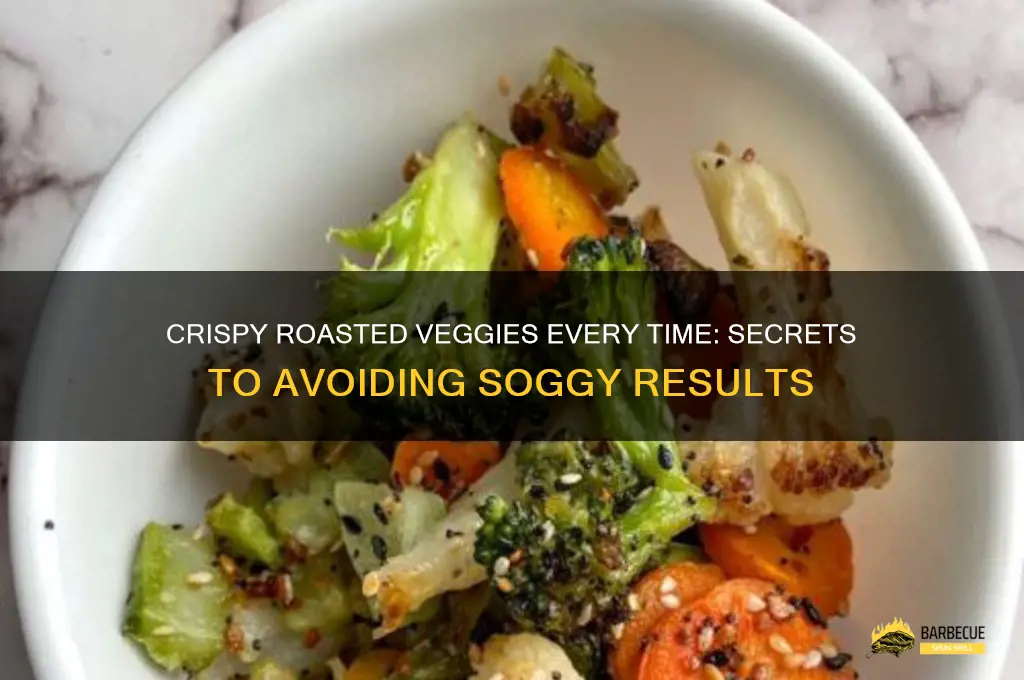
No More Soggy Veg: Jamie Oliver's Secrets for Perfect Roasting
We've all been there: eagerly pulling a tray from the oven, only to find our once-promising vegetables transformed into a sad, soggy mess. The dream of golden, crispy edges and tender, flavorful interiors quickly fades, leaving us wondering where we went wrong. The good news is, achieving perfectly roasted vegetables isn't some mystical culinary art reserved for celebrity chefs. With a few smart, actionable tweaks, guided by the wisdom of culinary master Jamie Oliver, you can banish limp veggies forever and elevate your side dishes – or even entire meals – to show-stopping status.
Jamie Oliver understands that the magic of
roasted vegetables lies in unlocking their natural sweetness and creating incredible textures. It's more than just tossing them on a tray; it's about understanding the science and technique that turns ordinary produce into something truly extraordinary. Get ready to transform your approach and discover the secrets to consistently delicious, perfectly golden, and tender
oven-roasted vegetables.
The Foundation: Preheat, Prep, and Pacing
The journey to perfect
roasted vegetables begins long before the tray hits the oven. These foundational steps are non-negotiable for success.
The Golden Rule of Heat: Preheating is Paramount
Think of your oven like a hot skillet for searing meat. You wouldn't throw a steak into a cold pan, expecting a beautiful crust. The same principle applies to vegetables. Jamie Oliver emphasizes the critical role of a screaming hot oven. Preheating to a high temperature – typically between 400-425°F (200-220°C) – is essential. This high initial heat immediately starts the caramelization process, creating those coveted crispy edges and preventing the vegetables from simply steaming. If your oven isn't fully preheated, your vegetables will sit there, slowly heating up and releasing moisture, which is the express route to sogginess.
Uniformity is Key: The Art of the Even Cut
Imagine trying to cook a thick potato wedge alongside a delicate broccoli floret. One will be burnt, the other raw, or both will be undercooked and sad. To ensure all your
roasted vegetables cook evenly and reach their peak tenderness at the same time, consistency in cutting is crucial. Chop all your chosen vegetables into roughly similar-sized pieces. Whether you're working with sturdy root vegetables like carrots and parsnips or more delicate options like bell peppers and zucchini, aim for uniform chunks. This simple step eliminates guesswork and guarantees a harmonious roast.
The Breathing Room Principle: Don't Crowd the Pan
Perhaps the most common culprit behind soggy vegetables is an overcrowded baking sheet. We've all been tempted to cram as much as possible onto a single tray to save time, but this is a fatal flaw. When vegetables are piled on top of each other, they release moisture, and instead of roasting, they steam. The hot air can't circulate effectively, preventing the maillard reaction (browning) that gives
roasted vegetables their irresistible flavor and texture. Jamie Oliver advises spreading your vegetables in a single, uncrowded layer. If you have a large batch, use two trays, even if it means rotating them in the oven. Trust us, the extra pan is worth it for the crispy results. A good quality baking sheet, possibly lined with parchment paper for easier cleanup, also helps ensure even heat distribution.
The Art of Flavor: Oil, Seasoning, and Beyond
Once your vegetables are prepped and your oven is hot, it’s time to infuse them with incredible flavor. This is where your creativity truly shines!
The Right Fat: Don't Skimp on the Oil
Oil is more than just a coating; it's a vehicle for flavor and a crucial component in achieving that perfect caramelization. A generous drizzle of good quality olive oil is Jamie Oliver's go-to. It coats the vegetables beautifully, helps conduct heat, and promotes browning. Don't be shy; ensure every piece is lightly coated, but not swimming in oil. A little oil makes a huge difference in texture and taste. For those looking for alternatives, high smoke point oils like avocado or grapeseed oil also work wonderfully, especially at higher temperatures.
Mastering the Seasoning: Beyond Salt and Pepper
While a simple sprinkle of salt and freshly ground black pepper is always a fantastic starting point – enhancing the vegetables' natural flavors – why stop there? This is where you can truly make your
roasted vegetables sing.
*
Classic Combinations: Fresh garlic cloves, sprigs of rosemary, and thyme instantly elevate any medley.
*
Mediterranean Vibes: Olive oil, dried oregano, and a touch of fresh lemon zest create a bright, tangy profile.
*
Warm & Earthy: Smoked paprika, cumin, and a pinch of chili flakes add a comforting warmth and depth.
*
Sweet & Tangy Finish: A drizzle of balsamic vinegar or honey (added towards the end of roasting) can create a delightful glaze.
*
Exotic Twists: Experiment with a splash of soy sauce and sesame oil for an Asian flair, or a dollop of harissa for a fiery kick.
For even more inspiration on enhancing your vegetable dishes, explore ideas on how to transform them
From Side to Star: Elevating Roasted Vegetables with Flavor Secrets.
Strategic Mixing: Combining for Harmony
Not all vegetables are created equal when it comes to roasting times. Harder root vegetables like carrots, potatoes, and parsnips take longer to become tender than softer vegetables like bell peppers, zucchini, or broccoli florets. If you're roasting a mix, Jamie Oliver suggests giving the denser vegetables a head start. Roast them for 10-15 minutes first, then add the quicker-cooking varieties to the tray, tossing everything together for even cooking. This intelligent approach ensures all components of your medley achieve optimal tenderness and crispness.
Roasting Mastery: Techniques for Crispy Perfection
Once prepped and seasoned, the oven does most of the work, but a few mid-roast maneuvers can seal the deal for perfection.
The Science of Sizzle: Unlocking Flavor
The magic that transforms raw vegetables into delectable, golden bites is primarily driven by two chemical reactions: caramelization and the Maillard reaction. High heat breaks down natural sugars (caramelization), creating sweet, complex notes and browning. Simultaneously, the Maillard reaction, a complex series of chemical changes between amino acids and reducing sugars, produces thousands of new flavor compounds and the desirable brown crust. This is why
oven-roasted vegetables taste fundamentally different, and often far superior, to their boiled or steamed counterparts. Carrots become sweeter, onions jammy, and broccoli takes on a delightful nutty edge.
Mid-Roast Magic: The Stir and Shake
To ensure all sides of your vegetables get a chance to brown evenly, give the tray a good shake or a gentle stir halfway through the roasting time. This redistributes the vegetables, allowing different surfaces to come into contact with the hot metal of the tray and the circulating air, promoting uniform crispness and color.
Achieving Peak Crispness: Bare Tray vs. Parchment
While parchment paper is a godsend for easy cleanup, roasting directly on a bare metal baking tray can sometimes provide an extra layer of crispiness due to direct contact with the hot surface. Experiment to see what works best for your desired texture. If you choose parchment, ensure it's not overlapping too much, as this can impede heat flow. Another trick for extra crispy results, especially with fattier vegetables like Brussels sprouts, is to ensure they are thoroughly dry before oiling and roasting. Excess surface moisture is the enemy of crispiness.
Beyond the Basics: Advanced Tips & Common Pitfalls
Elevate your roasting game even further with these insights.
Time Management for Diverse Veggies
Understanding typical cooking times for different vegetables is key. Harder root vegetables can take 30-45 minutes, while softer florets or thinly sliced vegetables might only need 15-25 minutes. If you're mixing, remember the head-start strategy, or consider roasting them on separate trays and combining them at the end. For a comprehensive guide to mastering the art of the perfect roast, consult resources like
Master Roasted Vegetables: Essential Tips for Golden, Tender Results.
Troubleshooting Soggy Veg: What Went Wrong?
Most "disasters" in roasting come down to a few common culprits:
* **Not preheating the oven:** Vegetables sit and steam.
* **Crowding the pan:** Prevents air circulation and browning.
* **Uneven cuts:** Leads to some pieces being overcooked and others undercooked.
* **Too much moisture:** Ensure vegetables are dry before oiling.
* **Not enough oil:** Prevents proper browning and crisping.
By understanding and avoiding these pitfalls, you're well on your way to consistent success.
Elevating Your Dish: Serving Ideas
Perfectly
roasted vegetables are incredibly versatile. They can be:
* A vibrant, flavorful side dish for any protein.
* The star of a hearty vegetarian meal when combined with grains or legumes.
* A fantastic addition to salads, adding warmth and texture.
* A delicious base for grain bowls or wraps.
* A healthy snack on their own.
Conclusion
Say goodbye to disappointing, soggy vegetables forever. By embracing Jamie Oliver's straightforward yet brilliant advice – from the importance of a roaring hot oven and even cuts to the magic of uncrowded trays and thoughtful seasoning – you're equipped to create truly spectacular
roasted vegetables every single time. It's a simple culinary technique that yields immense flavor rewards, transforming humble produce into golden, tender, and irresistibly crispy delights. So, grab your knife, preheat that oven, and get ready to experience the satisfying crunch and sweet caramelization that make perfectly roasted vegetables a staple in any kitchen. Happy roasting!