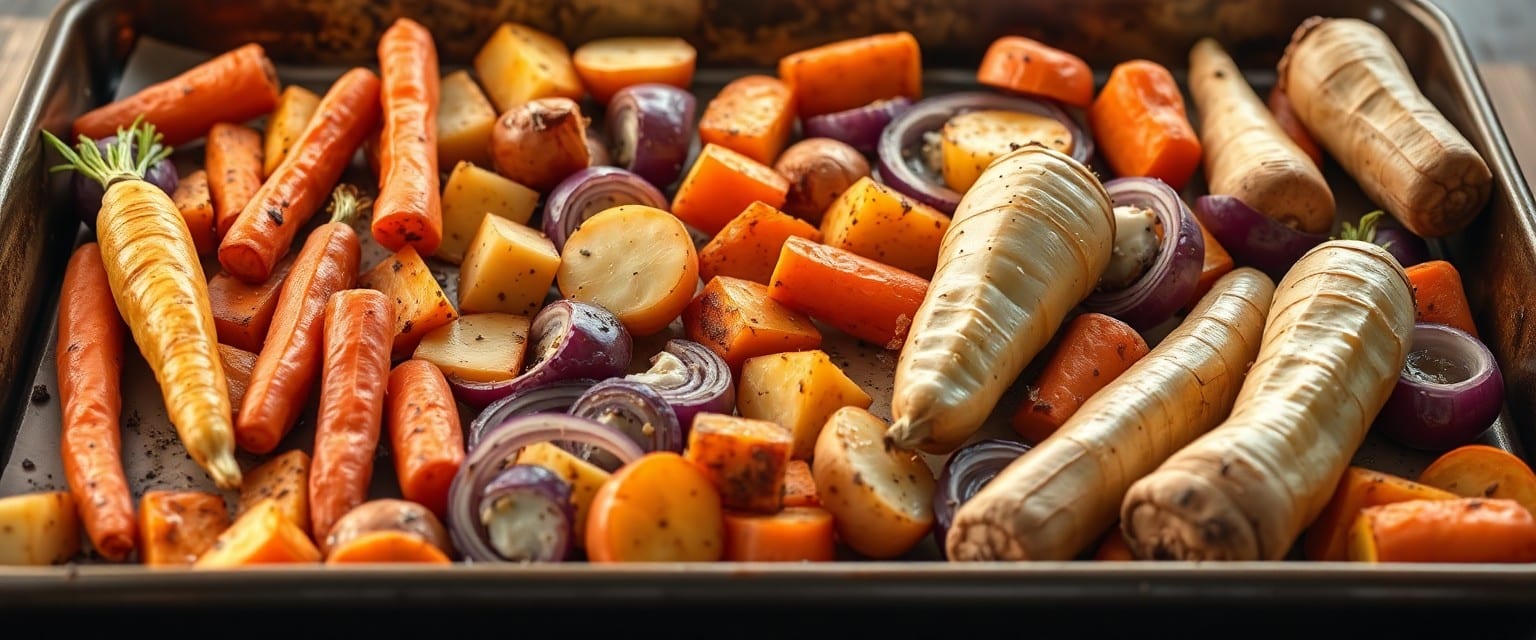
From Side to Star: Elevating Roasted Vegetables with Flavor Secrets
We’ve all been there: the anticipation of a golden, crispy medley, only to pull a sad tray of limp, soggy vegetables from the oven. It's a common culinary disappointment, leading many to believe that perfectly master roasted vegetables are an elusive dream. But what if we told you that achieving those coveted tender interiors and delightfully crisp edges is not only possible but surprisingly simple? It’s true!
Far from being just a humble side dish, expertly prepared roasted vegetables can steal the show, offering a depth of flavor and satisfying texture that transforms ordinary produce into extraordinary fare. This comprehensive guide will unlock the secrets to turning your everyday vegetables into culinary stars, ensuring every bite is packed with golden, caramelized goodness.
The Science of Sizzle: Why Roasting Works Wonders
At its heart, roasting is a little bit of kitchen magic. Unlike boiling or steaming, which can leave vegetables soft and watery, high-heat oven roasting employs dry heat to coax out and concentrate natural flavors. This intense heat facilitates two crucial chemical reactions: caramelization and the Maillard reaction. Caramelization browns the natural sugars present in vegetables, creating complex, sweet, and nutty notes. The Maillard reaction, meanwhile, is responsible for the rich, savory, and umami flavors, as well as the appealing golden-brown crust.
This process is why humble carrots taste sweeter, onions mellow into a jammy deliciousness, and broccoli develops a surprisingly nutty edge. The high temperature ensures that moisture evaporates from the surface, preventing steaming and allowing for those irresistible crisp edges and tender, perfectly cooked centers. It’s this textural and flavor transformation that elevates roasted vegetables from a mere accompaniment to a dish that can easily stand on its own.
Laying the Foundation: Essential Prep for Perfect Roasted Vegetables
The journey to perfect roasted vegetables begins long before they hit the oven. Proper preparation is the cornerstone of success, ensuring even cooking and maximum flavor.
Choosing Your Produce Wisely
While almost any vegetable can be roasted, starting with fresh, high-quality produce makes a significant difference. Consider seasonal availability for the best flavor and texture. Root vegetables like carrots, parsnips, and sweet potatoes are fantastic roasters, as are cruciferous options such as broccoli, Brussels sprouts, and cauliflower. Bell peppers, zucchini, onions, and even cherry tomatoes can also be transformed by the magic of the oven. Don't be afraid to mix and match; complementary flavors like butternut squash and bell peppers create a delightful medley.
The Art of the Chop
One of the most critical steps for achieving consistently cooked roasted vegetables is cutting them into uniform pieces. If your carrots are tiny slivers and your potatoes are large chunks, they won't finish cooking at the same time. Aim for roughly similar sizes – about 1 to 1.5 inches for most vegetables. Harder vegetables like potatoes and root vegetables can be cut slightly smaller than softer ones like zucchini or bell peppers, or given a head start in the oven.
The Golden Ratio: Oil, Salt, and Pepper
Don't skimp on the oil! A generous drizzle of good quality olive oil is essential. It helps conduct heat, promotes browning and crispiness, and carries flavors. Each piece of vegetable should be lightly coated. While olive oil is a classic choice, avocado oil or grapeseed oil are also excellent options, particularly if you're roasting at very high temperatures due to their higher smoke points. After oiling, season liberally with salt and freshly ground black pepper. Salt not only enhances flavor but also helps draw out moisture, contributing to crispiness.
Mastering the Heat: Oven Dynamics and Pan Management
With your vegetables prepped and seasoned, it’s time to talk about the roasting process itself. These steps are crucial for avoiding the dreaded soggy outcome.
Preheating is Paramount
Always, always preheat your oven to a hot temperature, typically between 400°F (200°C) and 425°F (220°C). Placing vegetables into a cold or lukewarm oven extends cooking time, causing them to steam rather than roast. A hot oven ensures that the vegetables hit immediate high heat, kickstarting the browning process and locking in texture. Think of it like searing a steak – you want that initial sizzle.
The Uncrowded Pan Principle
This is arguably the most common culprit for soggy vegetables. Piling too many vegetables onto one baking sheet traps steam, essentially boiling your produce instead of roasting it. To achieve those glorious crispy edges, spread your vegetables in a single layer with a little space between each piece. This allows hot air to circulate freely around every surface, promoting even cooking and optimal browning. If you have a large batch, use two baking sheets rather than crowding one.
The Right Baking Sheet
A sturdy metal baking sheet is your best friend for roasting. Darker sheets tend to conduct heat more efficiently, leading to better browning. Lining your baking sheet with parchment paper is convenient for easy cleanup and can prevent sticking, though roasting directly on a metal tray can sometimes yield an even crispier result. Avoid glass dishes, as they can sometimes trap too much moisture, hindering crispness.
The Mid-Roast Maneuver
About halfway through the roasting time, give your vegetables a good stir or shake the pan. This ensures that all sides of the vegetables get exposure to the hot air and direct contact with the hot pan, promoting even browning and preventing sticking. For harder vegetables like potatoes or carrots, you might even stir them a couple of times. No More Soggy Veg: Jamie Oliver's Secrets for Perfect Roasting emphasizes this very point!
Timing is Everything
Different vegetables have different cooking times. Harder root vegetables (potatoes, carrots, parsnips) will take longer (30-45 minutes) than softer vegetables (bell peppers, zucchini, broccoli, Brussels sprouts, asparagus) which may only need 15-25 minutes. If you’re roasting a mix, consider giving the longer-cooking vegetables a head start (10-15 minutes) before adding the quicker-cooking ones to the same pan. Alternatively, roast them on separate trays and combine at the end.
Beyond Basic: Elevating Flavors with Creative Seasonings
While salt and pepper are a fantastic foundation, the world of herbs and spices offers endless opportunities to transform your roasted vegetables into a truly star-worthy dish. Here are some ideas to spark your culinary imagination:
- Herby & Aromatic: Fresh rosemary and thyme with crushed garlic cloves are a classic combination that pairs beautifully with potatoes, carrots, or Brussels sprouts. Add woody herbs like rosemary and thyme at the beginning, while delicate fresh herbs like parsley or dill are best stirred in after roasting.
- Mediterranean & Zesty: Drizzle with olive oil, sprinkle with dried oregano, a pinch of red pepper flakes, and the zest of a lemon. Finish with a squeeze of fresh lemon juice after roasting for brightness. Feta cheese or Kalamata olives can be added towards the end.
- Warm & Spicy: Smoked paprika, cumin, coriander, and a dash of cayenne or chili powder can bring warmth and a smoky depth. Harissa paste offers a fantastic North African kick.
- Sweet & Tangy: A drizzle of balsamic vinegar or honey (or maple syrup for a vegan option) towards the end of roasting can create a beautiful glaze. Balsamic glaze is particularly good with Brussels sprouts, onions, and root vegetables.
- Asian Inspired: Toss with a mixture of soy sauce (or tamari), sesame oil, grated ginger, and a pinch of five-spice powder for an umami-rich experience. Garnish with sesame seeds and fresh scallions after roasting.
Experiment with different spice blends. Don't be afraid to try everything from curry powder to everything bagel seasoning. The key is to toss them generously to ensure every piece is coated in flavor.
From Sidekick to Showstopper: Serving Your Star Roasted Vegetables
Once perfected, your roasted vegetables are incredibly versatile. They can be served as:
- A Standalone Meal: Combine a variety of roasted vegetables with a grain like quinoa or farro, add some chickpeas or lentils for protein, and a vibrant dressing for a hearty, healthy meal.
- The Ultimate Side Dish: They're the perfect accompaniment to grilled chicken, roasted fish, or a juicy steak, providing essential balance and flavor.
- Versatile Additions: Use leftovers in frittatas, omelets, grain bowls, wraps, or even as a topping for homemade pizza. They can also be pureed into soups or sauces for an extra layer of flavor.
- A "Clean Out the Fridge" Feast: As the reference context mentions, roasting is ideal for using up those lingering veggies in your crisper drawer, transforming them into a delightful, no-waste meal.
With these tips, you'll embark on a journey of culinary transformation. No longer will you dread the limp, soggy outcome. Instead, you'll confidently pull trays of golden, crispy, and tender roasted vegetables from your oven, ready to impress and satisfy. Embrace the heat, master the prep, and experiment with flavors – your taste buds will thank you!
