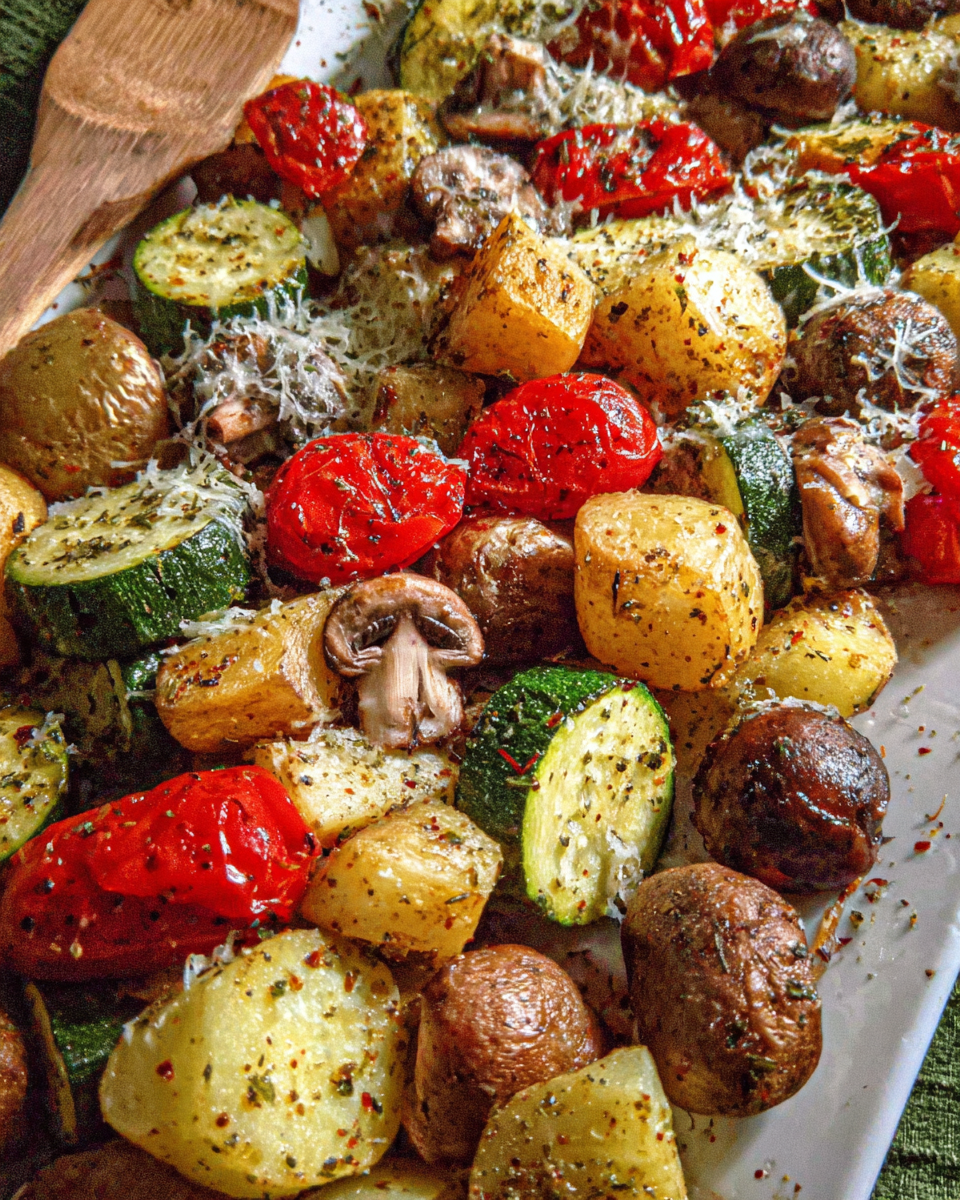
We’ve all been there: pulling a tray of once-promising vegetables from the oven, only to find them limp, pale, and disappointingly soggy. It’s a common kitchen woe, but achieving perfectly roasted vegetables doesn't have to be a culinary gamble. With a few essential tips and a sprinkle of kitchen wisdom, you can transform humble greens and roots into golden, tender masterpieces with delightful crispy edges that can easily steal the show from any main course. Let's unlock the secrets to consistently delicious, show-stopping roasted vegetables.
The Science of Sizzle: Why Roasting Reigns Supreme
There’s a particular kind of magic that happens when vegetables meet high heat. Unlike boiling or steaming, which can leave vegetables waterlogged and bland, roasting actively draws out moisture, concentrating their natural flavors and sugars. This process involves two key chemical reactions:
- Caramelization: As sugars on the surface of the vegetables heat up, they begin to caramelize, creating those beautiful golden-brown patches and imparting a sweet, nutty depth of flavor. This is why carrots taste sweeter, sweet potatoes become intensely rich, and onions mellow into a jammy delight.
- Maillard Reaction: This complex chemical reaction between amino acids and reducing sugars is responsible for the incredible browned crust and savory 'umami' flavors found in many cooked foods. It’s what gives your Brussels sprouts that irresistible nutty edge and your broccoli florets a slightly charred, robust taste.
By understanding these processes, we grasp why high heat and proper preparation are non-negotiable. They create the ideal environment for these flavor-boosting transformations, resulting in vegetables that are crisp on the outside and wonderfully tender on the inside – a far cry from their soft, watery boiled counterparts.
Prep for Perfection: Your Foundation for Flawless Roasted Vegetables
The journey to perfectly roasted vegetables begins long before they hit the oven. Meticulous preparation ensures even cooking and maximum flavor.
The Right Cut, Every Time
One of the most crucial steps is cutting your vegetables into uniform pieces. Imagine a tray with tiny broccoli florets alongside chunky potato wedges – the florets would burn to a crisp before the potatoes even began to soften. Whether you’re working with sturdy root vegetables like carrots, parsnips, and potatoes, or more delicate cruciferous options like broccoli and cauliflower, aim for pieces that are roughly the same size. This consistency guarantees that everything cooks at a similar rate, leading to uniformly tender results.
For denser vegetables, consider slightly smaller pieces or giving them a head start in the oven before adding softer ingredients. For example, if you’re mixing butternut squash with bell peppers, roast the squash for 10-15 minutes first, then add the peppers.
Oil Up for Success: The Importance of a Generous Coating
Don't skimp on the oil! A generous drizzle of a good quality oil, like olive oil, is essential. It serves multiple purposes:
- Conducts Heat: Oil helps transfer the high oven heat directly to the vegetables, promoting browning and crisping.
- Prevents Sticking: A good coating ensures the vegetables don't stick to the baking sheet.
- Enhances Flavor: Oil itself adds flavor and helps dissolve fat-soluble flavor compounds from herbs and spices, distributing them evenly.
Toss your vegetables gently but thoroughly with the oil, ensuring every piece is lightly coated. You want them glistening, not swimming. While olive oil is a classic choice, consider other high-smoke-point oils like avocado oil for a neutral flavor or even a touch of melted coconut oil for certain flavor profiles.
Seasoning – Beyond Salt and Pepper
While a simple sprinkle of salt and freshly ground black pepper is always a winner, it's just the starting point for truly exceptional roasted vegetables. Salt helps draw out moisture and enhances natural sweetness, while pepper adds a subtle kick. But why stop there?
Experiment with herbs and spices to elevate your roast:
- Classic Herb Blend: Rosemary, thyme, and garlic (minced or whole cloves) create an aromatic, comforting flavor.
- Mediterranean Twist: Dried oregano, lemon zest, and a pinch of red pepper flakes transport your dish to the sunny shores.
- Warm & Earthy: Smoked paprika, cumin, coriander, or chili flakes add depth and a touch of warmth.
- Sweet & Tangy: A drizzle of balsamic vinegar (added halfway through or at the end) or a touch of honey can create a beautiful glaze.
The key is to season generously. Remember, a little extra flavor can turn a simple side dish into something truly memorable. For more creative ideas, check out From Side to Star: Elevating Roasted Vegetables with Flavor Secrets.
The Heat is On: Mastering the Roasting Process
With your vegetables perfectly prepped and seasoned, it’s time for the oven to do its work. But even here, a few strategic moves make all the difference.
Preheat, Preheat, Preheat!
This step is non-negotiable for achieving crispy roasted vegetables. A preheated oven, typically to a hot temperature between 400-425°F (200-220°C), ensures that the vegetables hit immediate high heat. This creates a quick sear on the exterior, preventing them from steaming and becoming soggy. If you put them into a cold oven, they slowly come up to temperature, releasing moisture and creating that dreaded limp texture.
Consider using a sturdy, light-colored baking sheet. While parchment paper makes for easy cleanup, roasting directly on a metal tray can sometimes yield extra crispiness due to better heat transfer.
The Uncrowded Pan Principle
This is arguably the most common culprit behind soggy roasted vegetables. Piling vegetables onto a single baking sheet, no matter how evenly cut or oiled, prevents proper air circulation. Instead of roasting, the vegetables steam in their own released moisture. The solution is simple: spread your vegetables out in a single layer, ensuring there���s plenty of space around each piece. If you have a large batch, use two or more baking sheets. It might seem like an extra step, but it’s crucial for achieving those desirable crispy edges.
Timing and Turning for Even Golden Goodness
Roasting times will vary depending on the type of vegetable and its size. Softer vegetables like bell peppers or zucchini will cook faster than dense root vegetables like potatoes or carrots. A good rule of thumb is to roast until the vegetables are golden-brown and tender when pierced with a fork. This usually takes anywhere from 20 to 45 minutes.
About halfway through the roasting time, give your vegetables a good stir or shake the pan. This ensures that all sides get exposure to the hot air and direct contact with the baking sheet, promoting even browning and crispness. If some pieces are browning faster than others, you can strategically move them to a cooler part of the tray or simply remove them when done.
Conclusion
Mastering roasted vegetables is less about a secret ingredient and more about understanding a few fundamental principles: precise preparation, generous seasoning, and strategic heat management. By embracing techniques like even cutting, generous oiling, proper oven preheating, and never overcrowding the pan, you can consistently achieve those coveted golden, tender results with crispy edges. No more soggy disappointment – just vibrant, flavorful vegetables that are as satisfying as they are simple to make. So go ahead, experiment with different vegetables and flavor combinations, and transform your everyday meals into something extraordinary.
